
The challenges of accessing safe and affordable water in Nigerian cities took centre stage at the UNFPA Office in Copenhagen, Denmark, where the Lokoja Dialogues Climate Initiative launched an exhibition titled “Stories of a Broken Water Cycle”.
The exhibition, which combines art installations, documentary film, and policy discussions, examined how inadequate water infrastructure and rapid urbanisation affect communities in Nigeria.
Speaking at the event, Polly Alakija, Trustee and CEO of Lokoja Dialogues, described Nigeria’s water situation as a “water paradox”, noting that the country has extensive freshwater resources but still faces severe water stress.

Alakija, drawing on her 37 years of experience in Nigeria, said access to water has deteriorated over time, a situation she linked to broader global concerns about water scarcity.
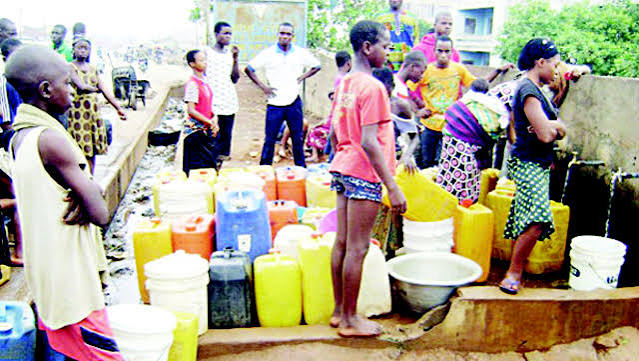
The exhibition highlighted the pressure rapid, poorly managed urban growth places on municipal water systems, with many residents relying on private water vendors or potentially unsafe surface water sources.
Olamide Fagbuji, Senior Special Assistant to the President on Climate Technology and Operations, said improving urban resilience would require restoring natural water systems alongside modernising water utility infrastructure.
“Water access is one of the clearest measures of whether a city is working for its people,” Fagbuji said.
He added that water security affects public health, food security, housing, ecosystems, economic activity, and climate resilience.
Participants called for urban planning approaches that go beyond conventional infrastructure and incorporate nature-based and community-led solutions.
They highlighted measures such as restoring urban wetlands and decentralised rainwater harvesting as ways to improve water resilience in cities.
Haruna Mohammed, a contributor to the discussion, said better management and public education on rainwater harvesting could help address some domestic water supply challenges in urban areas.
“With proper management and education on rainwater harvesting, we can alleviate many of the challenges of domestic water supply in urban areas,” Mohammed said.
Environmental advocate Damaris Obuya also called for greater community involvement in urban water planning.
“We can start with a community approach: create awareness, map existing water resources and wetlands, and begin restoring them,” Obuya said.
The exhibition used personal stories and creative works to highlight the experiences of communities affected by inadequate water access, while encouraging policymakers and urban planners to consider community needs as they work to address water challenges.
The organisers said the discussions aimed to connect lived experiences of water insecurity with broader conversations on urban planning, climate resilience, and sustainable water management.
Never miss a moment! Get the stories shaping Nigeria, delivered straight to your phone. Follow The Eagle Times Nigeria on WhatsApp for breaking news, exclusive reports, and the headlines everyone will be talking about, before anyone else.