
*** Insiders Reveal Fresh Moves, Kwankwaso Offered Juicy Position
*** Obidient Movement Threatens to Dump Obi if He Steps Down
By Ikechukwu Obinna

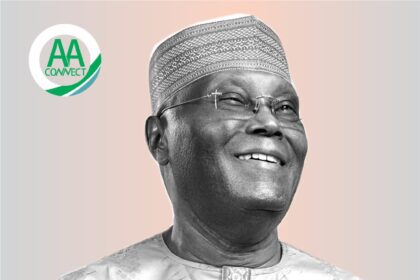
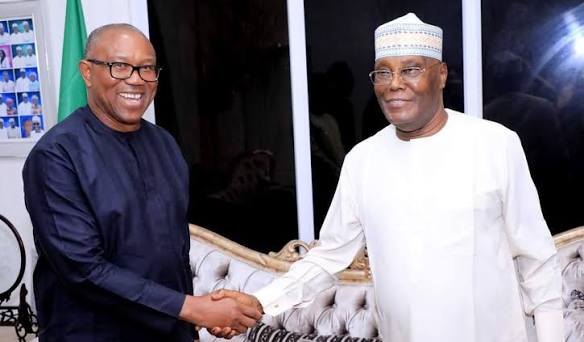
Fresh political manoeuvres within opposition circles are putting Mr Peter Obi under increasing pressure to reconsider his presidential ambition and support former Vice President Atiku Abubakar as a possible consensus candidate for the 2027 general election.
The development follows a closed-door meeting in Abuja yesterday involving high profile members of the NDC and ADC who, according to sources familiar with the discussions, favoured Obi stepping down for Atiku. The major challenge, however, is convincing Obi’s ardent supporters, particularly members of the Obidient Movement, to accept Atiku as the opposition’s preferred candidate.
Highly placed sources close to both Atiku and Obi told The Eagle Times that consultations are underway to explore a broader political arrangement involving the two presidential hopefuls and former Kano State Governor Rabiu Musa Kwankwaso.
The discussions reportedly reflect growing concerns among opposition figures that competing presidential candidates could divide their support and complicate efforts to challenge President Bola Ahmed Tinubu in 2027. Although the terms of the proposed arrangement remain unclear, the central question is whether Obi will maintain his ambition or consider stepping aside for Atiku.
The latest development brings renewed attention to The Eagle Times Nigeria’s October 10 exclusive, “ATIKU, OBI: THE SECRET MOVE THAT COULD SHAKE 2027,” which highlighted political manoeuvres that could reshape opposition calculations ahead of the election.
Sources familiar with discussions within Atiku’s political circle said opposition unity remains central to the search for a workable arrangement. The G100 and other advocates of a consensus candidate reportedly believe cooperation among major opposition figures could help prevent a division of votes and create a more coordinated challenge to the ruling party.
Atiku’s experience in national politics and established political networks are likely to feature in any negotiations over the presidential ticket. Obi, meanwhile, brings a committed support base that has remained central to his political identity since the 2023 presidential election.
Reconciling these political advantages could prove difficult. While some opposition figures may favour Atiku as a candidate around whom different interests could unite, Obi’s supporters may view his withdrawal as a rejection of the political mandate they believe they gave him.
For Obi, any proposal to step down would carry significant political consequences. The Obidient Movement has built much of its political identity around its candidacy and the promise of a different approach to governance. Sources familiar with the discussions suggest that convincing Obi to consider the proposal may prove easier than persuading his supporters to accept it.
Some Obidient supporters could withdraw their support if Obi steps aside without securing concessions or guarantees they consider acceptable. Such a reaction could weaken efforts to build a united opposition platform. However, the extent of any potential backlash has not been independently established, and no formal decision by the movement to abandon Obi has been confirmed.
Any agreement would also raise questions about Obi’s future role in a coalition, the distribution of political responsibilities and the assurances that might be offered to his supporters. These issues could determine whether a proposed arrangement strengthens opposition unity or creates further divisions.
Kwankwaso’s role is another important consideration. Political sources have suggested that a significant political position may have been discussed as part of efforts to secure his participation in a broader agreement. However, the position allegedly offered, the individuals behind the proposal and Kwankwaso’s response have not been independently confirmed.
His political base in Kano and influence across the North West make him an important figure in any attempt to assemble a broad opposition coalition. Nevertheless, the reported possibility of a concession does not establish that a deal has been concluded or that Kwankwaso has agreed to support Atiku.
Meanwhile, the G100 has established committees to work towards finalising arrangements relating to a candidate. Although this does not mean a final choice has been made, the move adds to efforts to develop a more structured approach to the opposition’s candidate question.
The committees’ mandate, the interests they represent, and the acceptance of their recommendations will be important in determining whether the process produces an arrangement that political leaders and their supporters can embrace.
The reported Abuja meeting and subsequent consultations have therefore placed the question of opposition unity back in focus. Yet, a preference expressed by meeting participants does not establish that Obi has accepted the proposal or that the relevant parties have formally endorsed Atiku as a consensus candidate.
The central challenge is whether Atiku, Obi and Kwankwaso can reconcile their political interests without alienating the supporters whose commitment would be essential to any coalition’s success.
As the 2027 election approaches, the outcome of these negotiations could influence candidate selection, political alliances and campaign strategy. For the opposition, the task is to translate discussions behind closed doors into an agreement capable of securing genuine cooperation across its political organisations.
For now, Obi’s next move, Kwankwaso’s position and the ability of Atiku’s camp to secure wider acceptance remain key questions in the unfolding political calculations ahead of 2027.
Never miss a moment! Get the stories shaping Nigeria, delivered straight to your phone. Follow The Eagle Times Nigeria on WhatsApp for breaking news, exclusive reports, and the headlines everyone will be talking about, before anyone else.